There was no way I could prepare for the impact of discovering my wife had diabetes, or what that would mean for our family and our future. That moment completely changed our lives, turned everything upside down, and only worsened as time went on and my wife experienced numerous diabetic symptoms and complications.
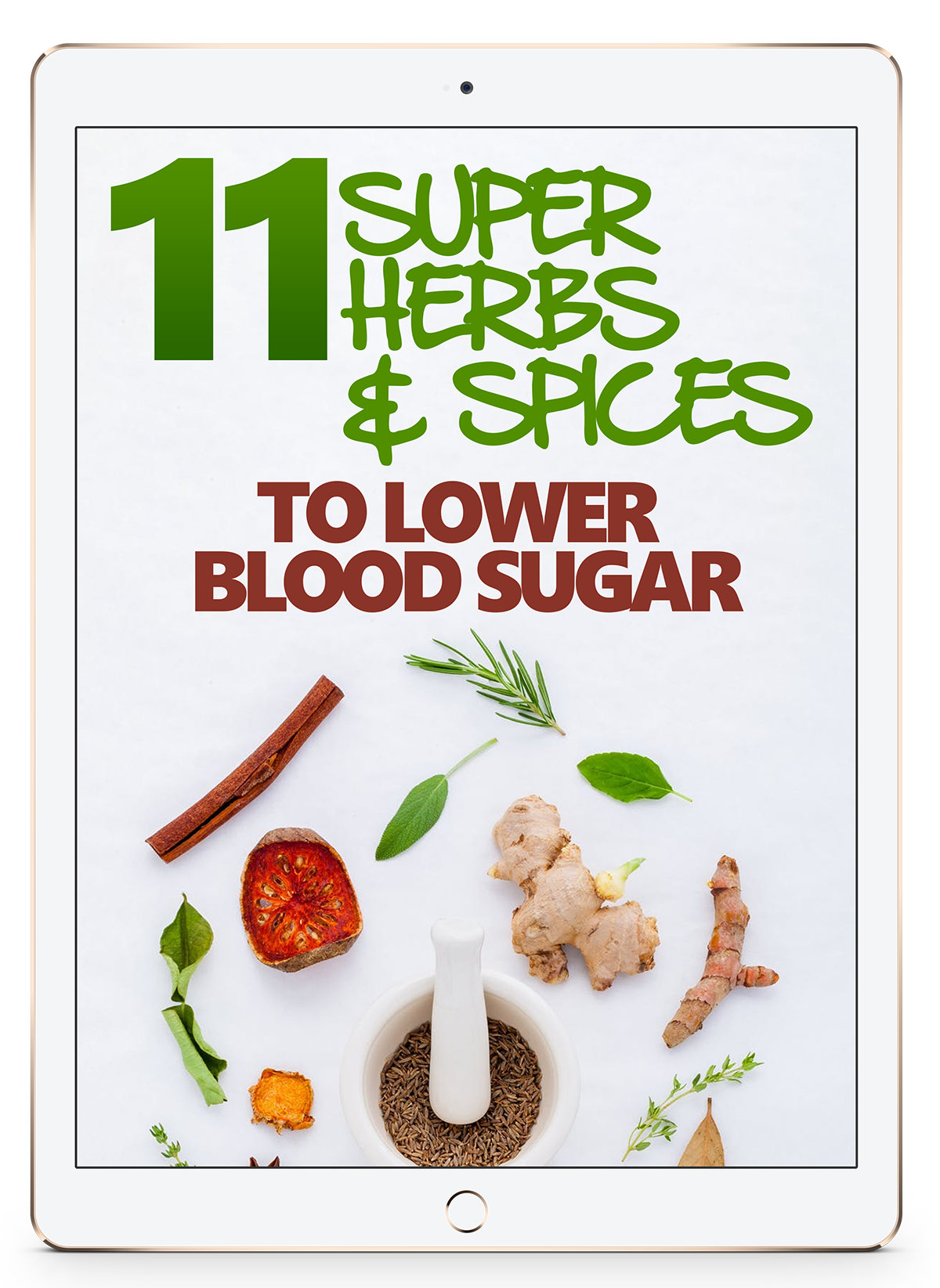
You are about to discover the 11 herbs and spices which will positively impact your blood sugar levels. These precious substances are packed with diabetesfighting, blood sugar reducing bioactive compounds Not only does orthodox medical treatment for diabetes come with nasty side effects but they can really cause a dent in your bank account; what I am about to share with you doesn’t do either of those things.
There is no downside. The time has come to look at diabetes in a new light, a perspective you will find in this eBook and the protocol I will introduce you to shortly.
Are you ready for your view on health and diabetes to totally change? Because I can assure you, that after you are through reading these pages, looking at the evidence and digesting the life-transforming information, nothing will look the same.
Not only will you discover the potential of the 11 super herbs and spices for their blood sugar lowering abilities, but you will be also introduced a breakthrough protocol reverse the effect of diabetes on your body and life.
You may be new to using herbs, spices and food for their medicinal value, yet they are a fundamental component for good personal health. They are not to be overlooked. The #1 antidiabetic drug used to treat diabetes—metformin— actually has it’s origin from a biguanide compound isolated from French lilac. And it is these same naturally-potent sources which lay at the heart of my simple 60- second protocol to reverse diabetes. But more about that later… first, let’s look at 11 herbs and spices that can help reduce your blood sugar levels naturally.
Sincerely, Eric Whitfield
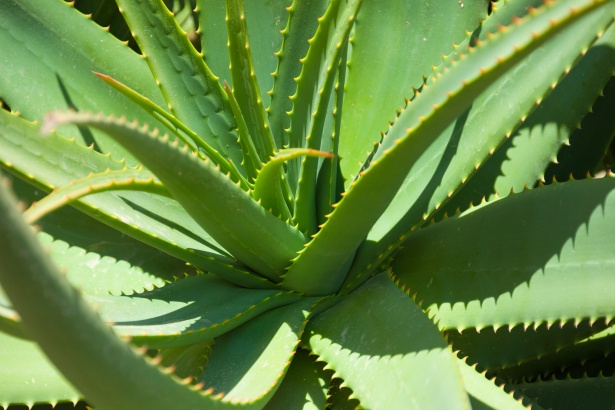
Aloe Vera
This prickly succulent, filled with a thick, slimy gel has been utilized throughout history for it’s cooling, healing and soothing properties. These amazing properties are the result of aloe’s active compounds: anthraquinones, lectins, and mannans. The gel is incorporated into a number of personal care, health and beauty products because of it’s strong anti-inflammatory properties. It can be used both externally and internally, and when used internally—in the form of juice—has a direct impact on blood glucose levels. Studies have shown that aloe vera extract can regulate fasting blood glucose levels in prediabetics within 4 weeks, and reverse lipid profile levels within just 8 weeks. It is the anti-inflammatory, antioxidant nature of aloe that targets diabetically-weakened areas of the body, for example, pancreatic beta cell damage caused by oxidative stress. The antioxidant potential of aloe is responsible for a lot of it’s positive effects. Some additional benefits of aloe: it encourages faster healing, decreases blood lipids and reduces the swelling and inflammation of skin ulcers and wounds.

Red Ginseng
Ginseng root has long been used in Chinese medicine to address a range of ailments. The root is traditionally used as a tonic to improve energy, stamina, mental performance and improve immunity, however it can also be used for diabetes. There are two main species of ginseng—American ginseng and Asian or Korean ginseng—though the kind which is diabetes-specific is Korean red ginseng. This kind of ginseng has been proven to provide glycemic control, improve pancreatic cell function and enhance the uptake of blood sugar from tissues. When used in animal studies it has significantly decreased blood glucose levels, blood glucagon levels, and increased blood insulin levels. When performing similar studies on humans it was found that even in non-diabetics, ginseng impacted blood sugar levels. The inherent benefits of red ginseng can be further enhanced if it is fermented, since the live bacteria which result from the fermenting process helps optimize the absorption of ginsenosides within the ginseng. Beyond blood sugar control, red ginseng has also been found to provide antioxidant protection, an important element when dealing with diabetes. All these things combined make this herb a powerful diabetic, anti-hyperglycemic ally.
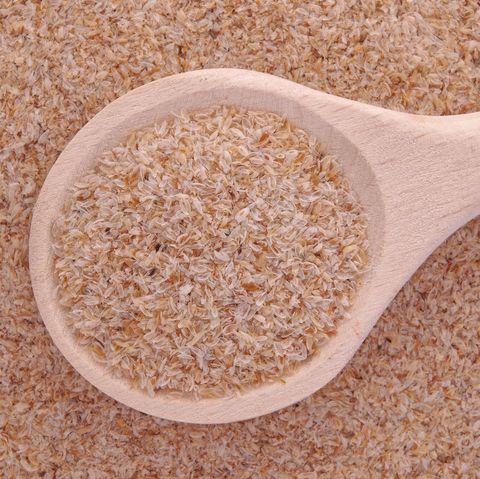
Psyllium
Psyllium comes from seed husks of the plantago ovata plant. It is most commonly known for it’s laxative effects, and because of this, is featured in many fiber supplements to treat constipation, diarrhea or other intestinal ailments such as irritable bowel syndrome. Psyllium helps lower blood cholesterol, as well as blood sugar levels, resulting in less need for insulin. For those wanting to treat type 2 diabetes, psyllium is key. The high-fiber, soluble nature of psyllium helps control blood sugar; it doesn’t raise blood glucose levels—ensuring it doesn’t spike unnecessarily—and slows the absorption of sugar. The husks transform to a gel when mixed with water. When ingested, this gel quality plays a pivotal role in how food is assimilated in the body; the psyllium slows down and delays food digestion, reducing the absorption of sugars—and consequently—minimizing blood sugar peaks. In fact, in 2000, a study performed by K von Bergmann showed a high intake of dietary fiber “improved glycemic control, decreased hyperinsulinemia and lowered plasma lipid concentrations in patients with type 2 diabetes.” In fact, information published in the Oxford University Press confirmed that psyllium is a great addition to any health program because of it’s glycemic benefits and glucose-reducing action.
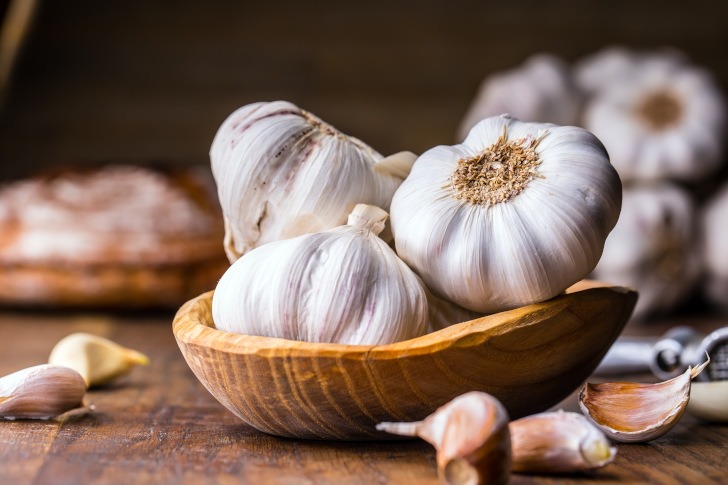
Garlic
Containing more than 400 powerful chemical components—such as disulfide, allicin, and S-ally
Systerine—garlic is highly regarded for it’s ability to address a number of physical ailments and issues (it can protect the heart, is antimicrobial and even protects against cancer.) Components such as the ones mentioned above are responsible for lowering blood sugar and helping diabetes. Allicin in particular—a sulfurcontaining compound—has been noted for it’s powerful hypoglycemic effect. These compounds increase the insulin released from beta cells in the pancreas as well as increasing hepatic metabolism. Garlic in any form is potent—raw, aged or cooked. It regulates blood glucose, aids blood flow, and increases insulin by supporting the liver. There have even been studies which pit garlic tablets against metformin (using placebo tablets as a control group.) The result of these studies have been impressive; whereas there was no change in the placebo groups’s readings, garlic tablets positively effected fasting blood glucose and were pronounced “comparable to metformin.

Sage
Belonging to the same “family” as lavender, thyme, rosemary and mint, and used frequently in Mediterranean cooking, sage contains a number of antioxidant and anti-inflammatory compounds. Sage has been noted for it’s metformin-like effects and is a known antidiabetic plant. It can be drunk as a tea (an infusion) or used in the form of essential oil. It is useful in the treatment of diabetes if taken supplementally. There have been a number of studies performed which confirm these findings; in 2010 a study by KB Christensen found that sage tea infusions can be as effective as metformin in type II diabetes, increasing the action of insulin and lowering the production of liver glucose. Sage tea can also improve the lipid profile as well as increasing antioxidant defenses. When used in an animal study, sage decreased serum glucose in type I diabetic rats and an aqueous extract of the herb was discovered to have an insulin-like effect in the body. Essential oil of sage has also been used for it’s antidiabetic effects
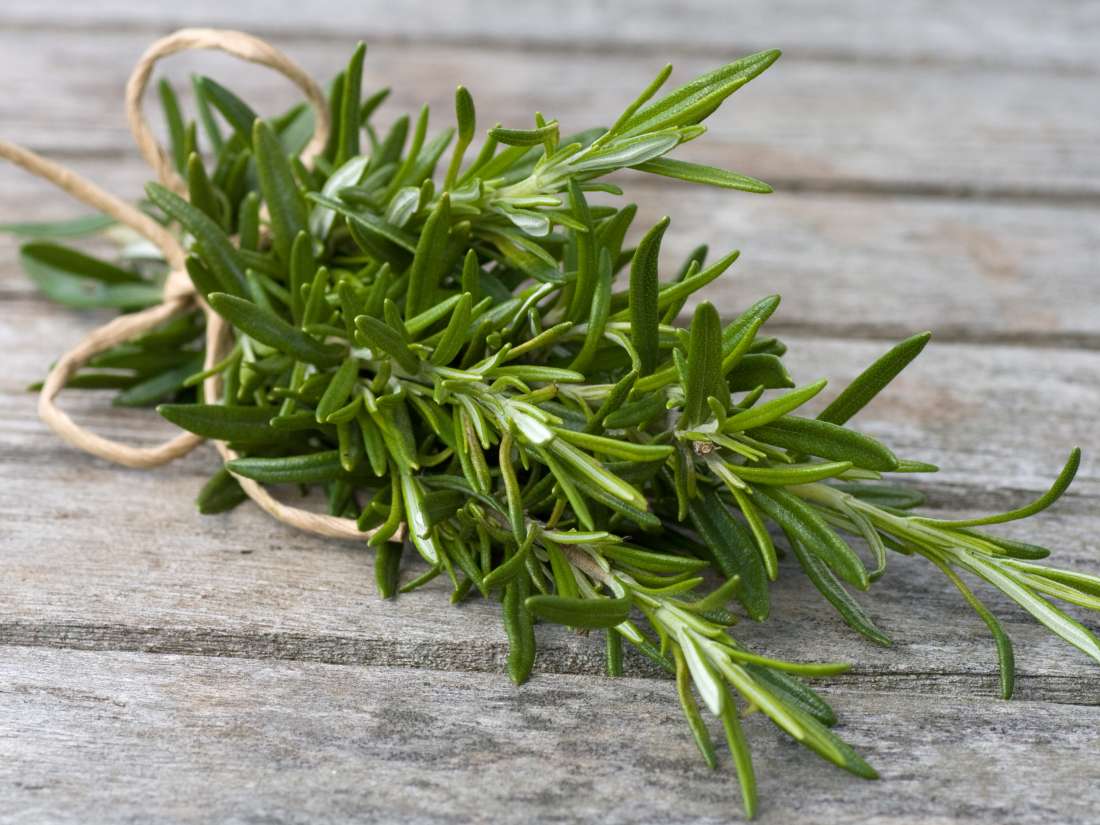
Rosemary
You may typically use this herb to flavor your meals, maybe spice up a chicken dish, but rosemary also has therapeutic value, both as a protective and treatment measure for diabetes. It is high in antioxidants such as rosmarinic acid, gallic acid and eugenol. It is considered medicinally potent in both it’s fresh and dried forms, although fresh is thought to be the better of the two options. The impact of rosemary is two-fold: it stabilizes blood sugar levels and promotes weight loss. In fact, the plant is known to be anti-hyperlipidemic and anti-hyperglycemic. Both of these offer major benefits for those with diabetes. When taken consistently in therapeutic doses, this herb has been found to regulate and lower blood sugar levels, cholesterol, and triglyceride levels. Win, win, win.
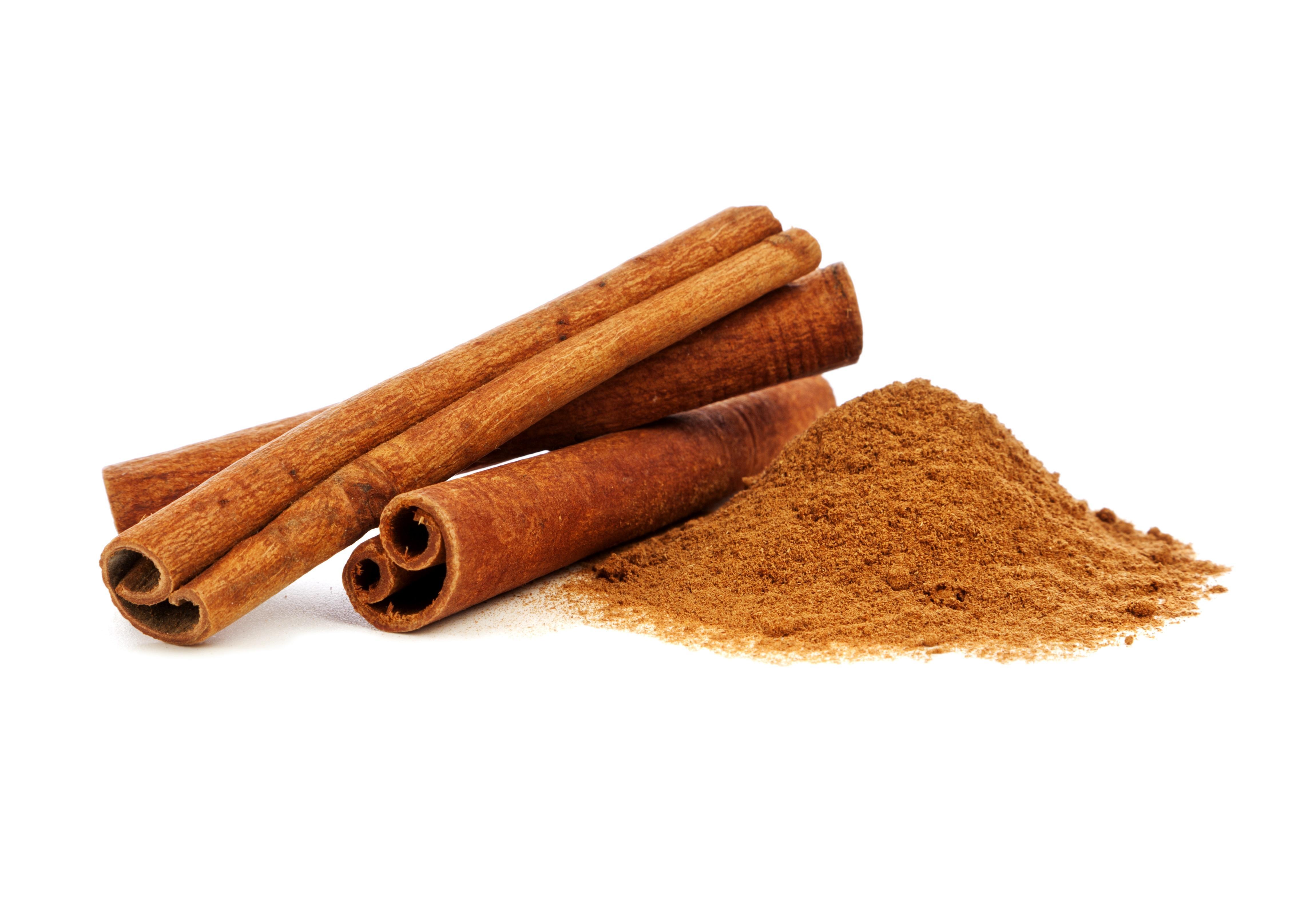
Cinnamon
A spice often used in baked goods, with a warm, mellow flavor; cinnamon has a long-standing reputation in the natural health community. However, this history is now reinforced by modern day scientific research. In 2013, in Annals of Family Medicine, it was concluded that cinnamon is responsible for “statistically significant” decreases in fasting blood sugar, overall cholesterol, LDL cholesterol and triglycerides. And in 2012, an animal study published in Pharmacognosy Research, supports these findings. It is important to bare in mind that there is not just one kind of cinnamon, there are a few different varieties and they are not all created equal. The preferred variety for therapeutic purposes is Ceylon cinnamon. This is the variety which has been effective in scientific studies. It also needs to be noted that Cinnamomum aromaticum and Cassia cinnamon (the other kinds of cinnamon) are known to be high in coumarin—a blood-thinning substance. Ceylon cinnamon has much lower coumarin levels.
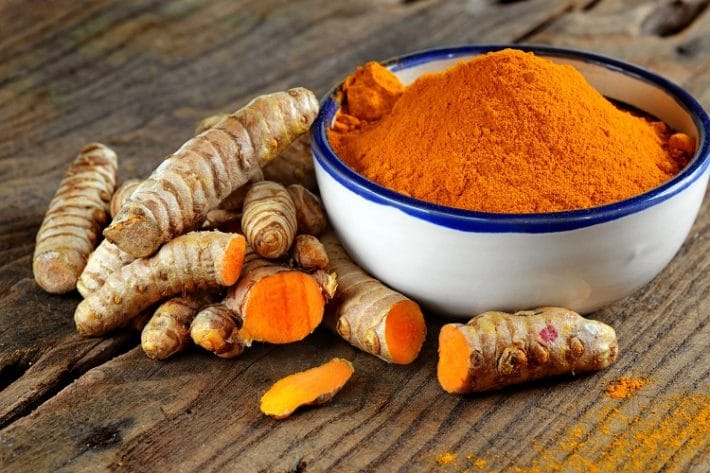
Turmeric
Belonging to the ginger family, this bright orange root has been used in both Ayurvedic and Chinese medicine—for hundreds and hundreds of years—and for good reason; turmeric is a spectacular herb for the body. The most crucial component of turmeric is curcumin—the substance which gives turmeric it’s signature orange hue. It has numerous benefits: it supports healthy digestion, eases pain, brightens the skin, improves liver function and on and on… With antiinflammatory and antioxidant properties, this root helps treat both types of diabetes, as well as preventing the onset of diabetes in the first place. Specifically, turmeric improves insulin function, reduces insulin resistance, protects beta cells (which are responsible for insulin production), improves any insulin-response pathways which have been disrupted, reduces the inflammatory signals which are typically overactive in diabetes (for example, IL-1, cytokines IL-6 and TNF) and treats many diabetic symptoms due to it’s anti-inflammatory effect. Curcumin can be difficult for the body to properly absorb, but the addition of black pepper remedies this. Just by using a small amount of black pepper you can enhance the bioavailability of this medicinal plant
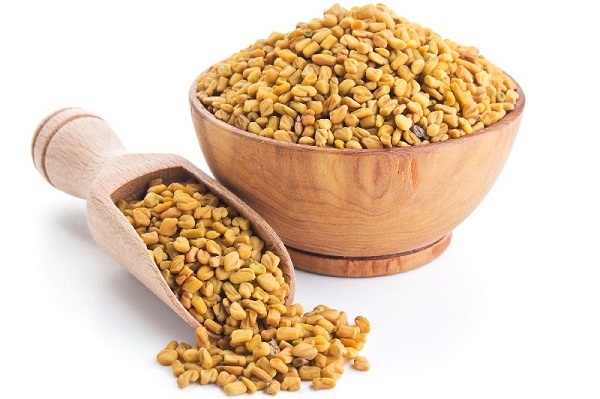
Fenugreek
Commonly known for it’s culinary uses, and featuring prominently in Middle Eastern and Indian cooking, fenugreek seeds have more to offer than their flavor. Beyond it’s culinary use, fenugreek is a wonderful medicinal plant—used in both Ayurvedic and traditional Chinese medicine. Because of the amino acid 4- hydroxyisoleucine, which is present within this plant, Fenugreek seeds improve the metabolic symptoms associated with both type 1 and 2 diabetes: reducing fasting blood glucose levels, slowing the absorption of carbohydrates, lowering cholesterol, and improving glucose tolerance. In fact, a study published in the European Journal of Clinical Nutrition found that type 1 diabetics were able to improve glucose tolerance, lower their fasting blood sugar levels and decrease urinary glucose output by 54% when using fenugreek seeds medicinally. In another study, performed on people with type II diabetes, including fenugreek seeds in a meal reduced the characteristic spike in blood glucose levels after eating. By taking the seeds regularly, this spice has been associated with decreased LDL cholesterol, an important step in the regulation and management of diabetes and heart disease.
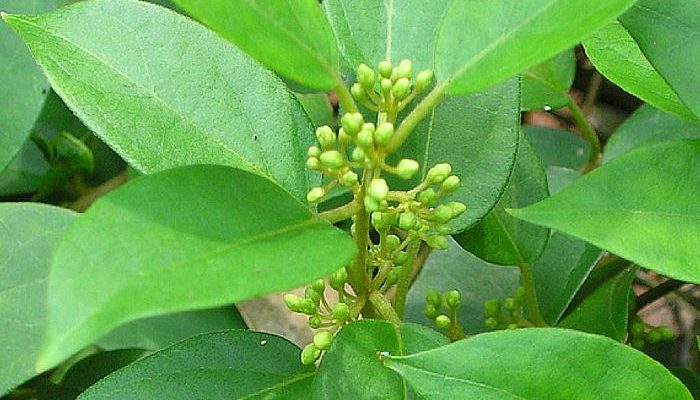
Gymnema Sylvestre
Although not as commonly known as some of the other herbs in this list, gymnema sylvestre—also known as gurmar—is a crucial herb for lowering blood sugar levels and treating diabetes. A vine found in Sri Lanka and India, it’s Hindi name is translated as, “sugar destroyer.” A nickname which accurately describes it’s purpose and action in the body. Even chewing a fresh leaf from this plant disrupts our tastebuds’ ability to register anything sweet (which is attributed to the presence of gymnemic acids within the plant.)
Gurmar lowers blood glucose by promoting the utilization of glucose at a cellular level. The phytoconstituents responsible for it’s sugar fighting/regulating properties are triterpene saponins such as gymnemasaponins and gymnemic acids, as well as the polypeptide gurmarin. It is capable of treating both type 1 and 2 diabetes and has even been known to rejuvenate pancreatic beta cells. The gymnemic acids found in this herb slow down the transportation of glucose from the intestines to the bloodstream. There really isn’t a thing this herb can’t do!
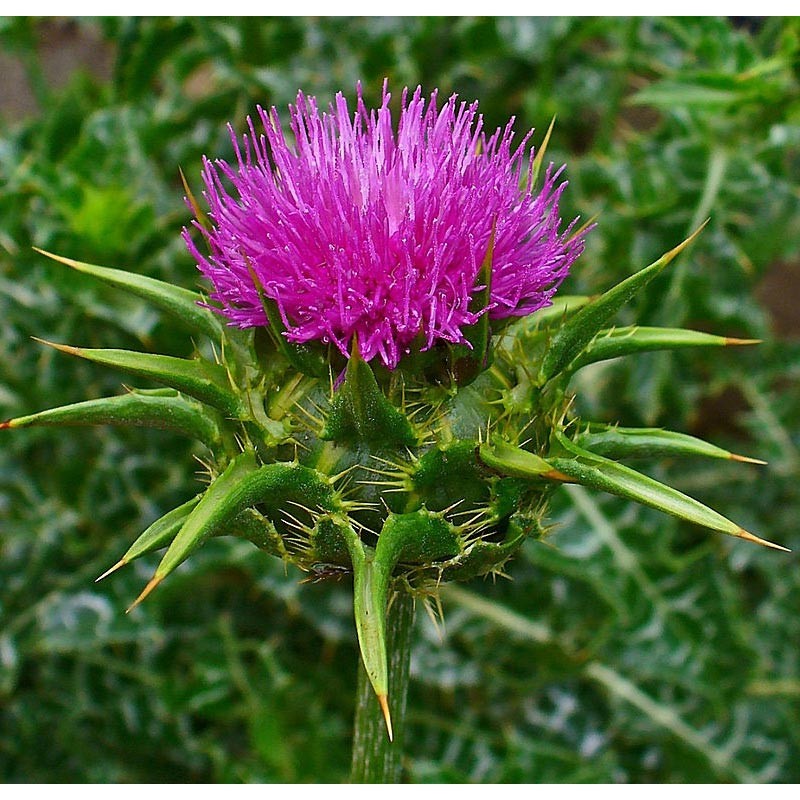
Milk Thistle
Milk thistle has been used predominantly to treat issues related to the liver and gallbladder, but it is actually a wonderful herbal remedy for a variety of ailments. It is a powerful detoxification aid and helps cleanse the system of unwanted, harmful substances, especially those collected in the liver. Although considered a weed, this plant has antioxidant properties which reduce inflammation and contains a substance called silymarin—a flavonoid complex composed of over 7 compounds. This compound is linked with the reduction of oxidative stress in the body, consequently reducing the damage and effect of diabetes. Studies have shown that oxidative stress can effect the pancreas which can worsen diabetes. Milk thistle helps address all these issues, supporting and strengthening the whole system and is regarded as an effective treatment for diabetes-caused hyperglycemia and insulin resistance. In recent studies, milk thistle has been found to contain a substance—specifically called PPARγ, a molecular target of thiazolidinediones—which lowers blood glucose levels in type 2 diabetics by acting as an insulin sensitizer. Another substance found in milk thistle, a compound called silibin, has been linked with reducing body weight and the associated visceral and subcutaneous fat. Since diabetes can interfere with ideal body weight management, producing excess body fat this action of milk thistle can be very helpful when looking to restore good health. A study performed on humans with diabetes and liver cirrhosis, found that 600mg of silymarin significantly reduced fasting blood glucose and mean daily glucose levels, as well as reducing the need for insulin by 20%.
How Things Started…
You’ve discovered the herbs and spices which will support your body’s ability to lower your blood sugar, but I can’t wait to share the REAL solution to lowering your blood sugar for good. Herbs and spices can be a useful, supplementary tool, but they are only the tip ofthe iceberg. Your health will truly be transformed when you discover what my wife and I discovered; knowledge which has become a protocol capable of changing lives. This is where the true diabetes-reversing power lies.
On the following pages you will get to know me better (for the average Joe that I am, and the normal life I have led.) I want you to see how I am no different from you, that my wife and I were in the exact same situation as you and your loved ones and that we GOT OUT. My wife didn’t have to suffer the “necessary pain” of diabetes—the kind that lasts for the rest of your life—which our doctor convinced us was just the normal, inevitable course of the disease. She is now FREE from all the pain—both physical and emotional—of diabetes. There is HOPE and I want you to feel that as you read every single word I write. I am going to share with you the discovery that changed it all….
The reason I started on this journey and the force which spurred me on to find a solution to the devastating effect of diabetes.
Our story may not be that different from yours. You may recognise yourself or a loved one in the following pages…
And it’s easy to believe, when life throws you a curveball like this—when you hear the word DIABETES—that options are limited… And frankly, that’s exactly what the people who profit from keeping people sick want you to think…
The answer is so much simpler and even more powerful…. The answer puts things right back into your hands….
I’m sure you want that feeling again.
So how did our journey start? How did we discover the solution to the suffering of thousands?
For me, it started at the doctor’s office, as he uttered words which turned my life upside down….
My wife Cathy sobbed uncontrollably.
It had only been 5 years since her diabetic symptoms began, but there it was, the cold hard truth staring us in the face.
My badass wife, the boss of our family, a proud lady who would shut up anyone brave enough to give her lip… trembling, cold, and white as a sheet.
“Please, isn’t there anything you can do?” I begged Doctor Grayson, who stood there emotionless, glancing at the clock as if I were wasting his time…
“We are trying to lower her blood sugar…” he said…
“But it’s likely too late… the medications don’t seem to be working as well as we’d hoped…”
“I’ll be honest, I’ve not seen it this bad before…”
And then he hit us with it… 11 Super Herbs and Spices That Lower Blood Sugar By Eric Whitfield and Amanda Feerson
“The deterioration is so rapid, that I’d be lying if I promised you any improvement.”
“I’m sorry to say this Cathy, but you may only have half an hour before slipping into a coma.”
Half an hour?
30 short minutes?
That was all he was giving my dear wife Cathy before she would fall into unconsciousness…
I could see the fear in Cathy’s eyes.
48 years of her life, all her precious memories, soon to be lost in the abyss…
Her mind close to shutting down…
Trapped in her own body…
With the very real chance she may never wake up.
Thoughts raced through her mind….
No longer being able to see the beautiful smiles on her children’s and grandchildren’s faces…
Not seeing them grow up, or getting married.
Not being there to support her children and husband…
Or growing old together as we’d always imagined…
As she lay in the cold steel hospital bed, contemplating the most depressing future she could imagine, I felt ashamed…
Ashamed that I hadn’t done anything sooner when I knew her blood sugar was getting out of control.
Embarrassed because I believed the doctors when they told us the medication would work….
Fear of never hearing Cathy’s voice again… or holding her in my arms… and having to go on with my life WITHOUT HER if she didn’t wake up….
Anger at God for inflicting this pain and misery on such a beautiful, caring, loving woman.
How would I tell our kids, our grandkids, that their mom or grandma may never wake up?
I prayed to God to wake me from this nightmare…
But it was real. It was happening.
The thought of Cathy motionless in a coma broke my heart.
She was my rock.
But in the next 30 minutes I could lose her forever…
This was probably the most painful moment I had ever experienced. But it forced me to go on a journey that changed everything in my life, and the life of thousands of men and women around the world…
Where I would uncover the REAL CAUSE of type 2 diabetes…
You see, despite what you’ve been told, your uncontrolled blood sugar and increasing belly fat has nothing to do with:
✘ How many sugars or carbohydrates you eat…
✘ How much exercise you do…
✘ What medications you take…
✘ Or even genetics or the aging process…
But is instead all down to a little-known but highly dangerous toxin found on every corner of earth…
Which is ruthlessly invading the cells of every diabetic, prediabetic… even those who struggle with weight loss…
And according to a hidden but groundbreaking new 2018 study by a team from Washington University School of Medicine and published in the Lancet Planetary Health, is the real cause of type 2 diabetes…
Including all 3.2 million new diabetics in 2017…
But there is an answer. By using a simple 60-second habit, twice a day, known only to the inhabitants of a small, barely populated Aegean island, 4800 miles from home, you can flush out this dangerous toxin from your body…

And reverse and repair any damage it has caused…
A discovery that not only saved my wife Cathy from a second, certainly fatal, Ketoacidosis coma….
But in a few short weeks, reversed every single symptom of her type 2 diabetes…
Her blood sugar going from a dangerous 488, to a stable and healthy 125… no matter what she ate, drank…
Her diabetes meds, test strips, and glucose readers tossed in the trash…
The debilitating, stabbing nerve pain in her feet and legs vanished…
And even better…
Suddenly losing 56 pounds of deadly belly fat…
Saving her from the fatal effects of heart disease and restoring the youthful energy, sex drive and vigor that was believed to be lost forever.
Best of all, she was able to do it without restricting her diet…
Without any pricey or dangerous supplements…
Without a single second of exercise… or special equipment…
Without popping a single tablet or pill…
Or stabbing herself with another insulin needle…
Instead, all she did was this simple and easy, 60-second habit, twice a day.
A 100% safe and natural ritual, using inexpensive, and easily found ingredients picked up from our local grocery store!
But I don’t want to get ahead of myself… I will give you all the information you need, but first, I want you to get to know me better and understand how I found the answer to diabetes
I HAD TO DO SOMETHING….
She stayed in the hospital that night, so beside her, I powered up my laptop when she’d gone to sleep and began my quest.
First, I started with diabetes.
It’s well known that diabetes is caused by something called insulin resistance.
This is when the cells in your muscles and organs start resisting or ignoring the signal that insulin is trying to give them. Which is to take the blood sugar, also known as glucose, from the blood stream and deposit in the cells.
It is this glucose that cells use as energy from the food we eat.
Over time as insulin resistance develops, your body fights back by producing more insulin, the beta cells in your pancreas, that are working so hard to make insulin, get worn out and can no longer keep up with the demand for more and more insulin.
Then, after insulin resistance silently begins – your blood sugar will rise and you develop pre-diabetes or even type 2 diabetes.
You may also develop non-alcoholic fatty liver disease, a growing problem associated with insulin resistance that boosts your risk for liver damage and heart disease.
I’m sure this cycle sounds very familiar.
You eat your food…
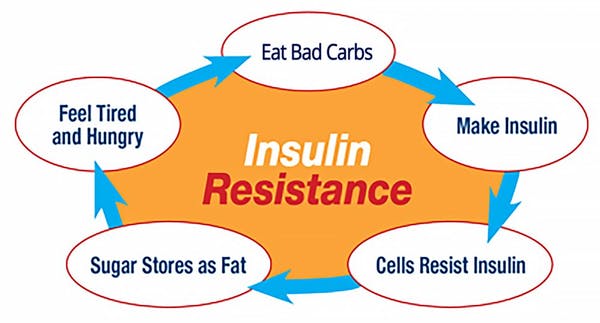
Your pancreas makes insulin to take the glucose out of your blood stream… so the cells can use it as fuel for energy.
However, your cells resist the insulin…
And in turn, you store these sugars as fat…
Causing tiredness, and hunger…
And hunger, means more food…
And the cycle starts all over again!
This is the exact cycle that Cathy had been in for years…
And the exact cycle, you and any diabetic are in right now.
But what causes insulin resistance?
Well, I couldn’t find a single precise and definite answer on exactly WHY it happens in the first place.
And why this has started only in the past 60 years
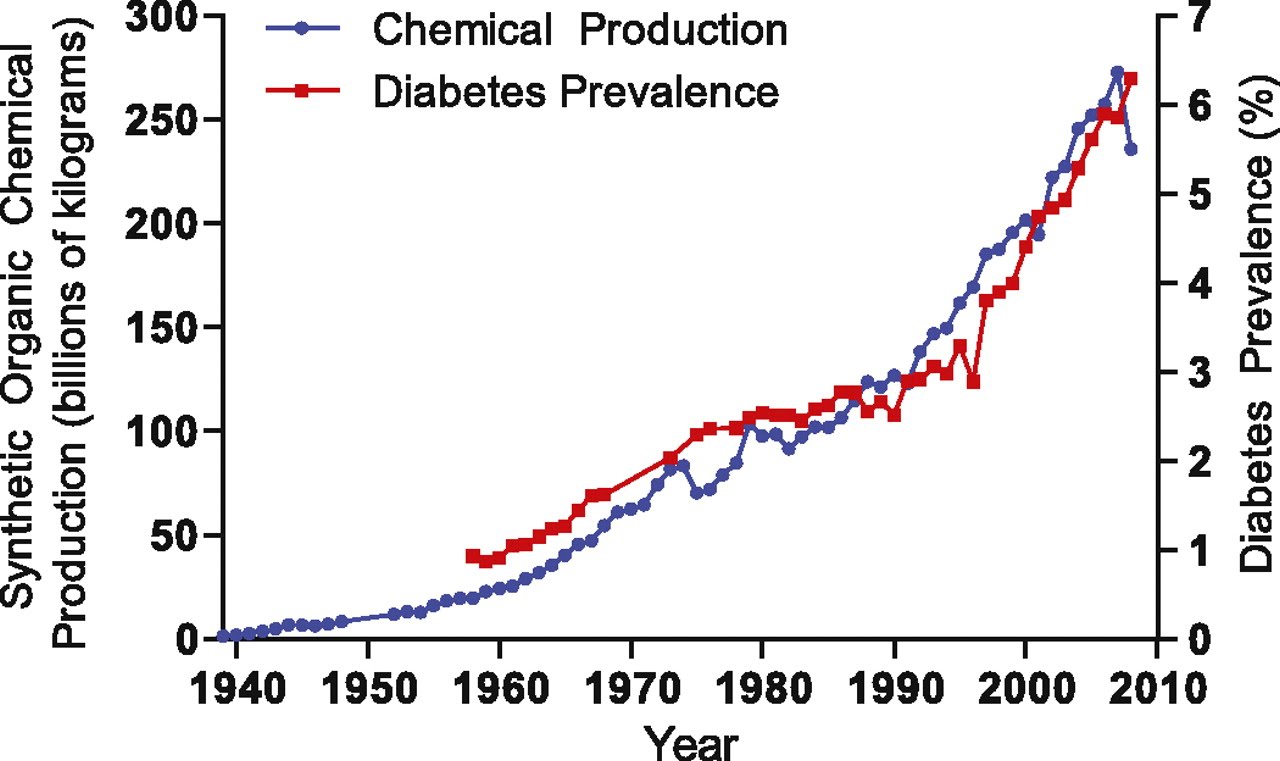
See this graph? diabetes barely existed in the 1940s!
Doctor Grayson himself stated that the medical industry isn’t exactly sure where insulin resistance comes from, only why it is bad for us and that it is increasing at a rapid rate.
In fact, a recent report published by the Centers for Disease Control and Prevention predicts that nearly one third of all American adults will be diabetic by 2050 if things don’t change.
You may be saying it’s because we’re getting fatter, right?
But we’ve had overweight men and women for centuries, all the way back to the Mayans…
And there has always been a surplus of food at times for every civilization.
Remember that cycle of insulin resistance? The belly fat comes AFTER insulin resistance, not before!
And for Cathy, her dramatic weight gain started only after she started showing diabetic symptoms.
So, if weight gain was simply a symptom of insulin resistance. What was the cause?
How did you or Cathy get insulin resistance, before all the symptoms began?
For weeks, I scoured the internet, visited libraries and read through hundreds of dusty old medical journals. I visited Universities, spoke to doctors, endocrinologists, alternative therapists, and even Chinese herb doctors for help.
But I found nothing new.
Just the same old tired advice of exercise more, eat less sugar and fewer carbs, and take your meds like a good little diabetic…
Advice that you or any other diabetic listening to my story today has heard a million times before.
I felt like I’d hit a brick wall, and after weeks of research I was nowhere.
I’d left online posts on forums and message boards requesting any information that could help Cathy.
All you need to do is follow the protocol and eat the dressings twice a day as instructed, to achieve the same dramatic improvements in your diabetes that Cathy and thousands of others have achieved.
And the best part is, there’s no need to completely change your diet, or starve yourself!
All you need to do is simply add these dressings to your existing lunch and dinner – and each and every ingredient can be picked up for just a few pennies from your local grocery store.
They take only 60 seconds to make. It really is that simple. And you can get access to everything by clicking the button below.

 normal blood sugar